Make Every Week Count: Systems That Turn Practice Into Progress

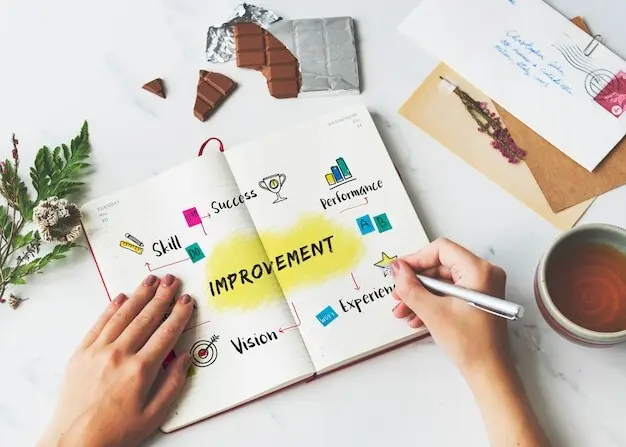
Today we dive into Progress Tracking and Reflection Frameworks for Weekly Skill Sprints, translating the abstract promise of improvement into concrete weekly momentum. Expect practical rituals, humane metrics, and reflective prompts that help you notice subtleties, celebrate meaningful gains, and decide next actions with clarity. Share your experiments, borrow proven patterns, and build a reliable cadence that fits real life rather than fantasy schedules and perfect conditions.

Designing Your Weekly Sprint Rhythm

A dependable rhythm reduces decision fatigue and anchors attention where it matters. Establish a kickoff ritual, focus blocks, and a lightweight closeout that fits the skill you’re nurturing. The magic isn’t intensity; it’s consistency plus a feedback-rich structure you’ll actually keep using when life gets noisy. Post your preferred cadence and compare notes with others refining similar practices.

Metrics That Motivate Without Distorting

Numbers can guide or mislead. Blend leading indicators you control, like session count and difficulty ratings, with outcome signals, like accuracy or audience response. Guard against Goodhart’s Law by pairing any number with a short narrative note. The goal is alignment: measures that encourage learning behaviors rather than score chasing. Tell us which metric pairs keep you honest.

Reflection That Builds Judgment

Reflection is not a confessional; it is a strategic conversation with yourself. Use concise frameworks that turn experience into better bets: After Action Reviews, Gibbs’ cycle, or simple prompts like surprise, struggle, success, and shift. With fifteen thoughtful minutes, you can transform a messy week into a clear hypothesis for the next. Share your favorite prompt set below.

Run a Five-Step After-Action Review

Answer five questions: What was the intent? What actually happened? What worked? What didn’t? What will I change? Keep each answer punchy, evidence-based, and kind. A junior marketer used this weekly, discovered overreliance on late editing, and shifted to early outline critiques, halving cycle time. Consistency compounds learning into intuition surprisingly fast when the questions never change.

Use Micro-Reflections Daily

End practice with a ninety-second note: one useful discovery, one confusing edge, one next micro-step. It’s quick enough to survive hard days yet sharp enough to guide tomorrow. A guitarist wrote, “ring finger collapses on stretch chords; try slower transitions,” which produced steady, satisfying improvement. Post your latest micro-reflection to encourage someone considering their first disciplined week.

Feedback Loops With Mentors and Peers

External eyes shorten the distance to clarity. Invite quick, focused reviews aligned with your weekly intention, not open-ended critique. Define what evidence matters, ask for observable behaviors, and agree on next tests. Accountability buddies, office-hour swaps, and short demos make momentum social and resilient. Drop a comment if you want a partner to trade Friday check-ins.

Schedule Short, Frequent Touchpoints

Replace rare, heavy reviews with ten-minute checkpoints that target one question. A data analyst shared a single chart daily to validate the story before polishing visuals. This cadence prevented wasted hours and increased confidence. Set a recurring calendar slot, include a crisp agenda, and finish with a commitment. Who will you message right now to propose Wednesday syncs?

Ask For Evidence, Not Opinion

Guide reviewers to observable specifics: clarity, accuracy, timing, or impact. Instead of “What do you think?”, try “Where did comprehension drop?” or “Which part felt slow?” A presenter I coached added timestamps to slide video, enabling pinpointed feedback that directly informed revisions. Precision protects morale and sharpens decisions. Share your favorite prompt that evokes concrete, actionable replies.

Tools and Templates That Stay Lightweight

The best system is one you will maintain on your busiest week. Favor a one-page dashboard, a simple tracker, and a reusable retrospective template. Spreadsheets, Notion pages, paper index cards, or Obsidian notes all work if friction is low. Avoid tool collecting. If you want printable templates, subscribe and comment which formats fit your workflow best.

A One-Page Sprint Dashboard

Include intention, constraints, daily checkboxes, difficulty ratings, and a tiny space for insights. Add a visual streak and a place to mark one celebrated moment. Keep it visible and portable. A coach taped theirs inside a laptop, ensuring glanceable accountability before email could hijack attention. What single-page layout would invite you to practice before anything else today?

A Reusable Retrospective Template

Structure reflection with five boxes: highlights, bottlenecks, data snapshot, learned principles, and next experiment. Duplicate weekly, resist overdesign, and preserve comparability across months. When a product duo kept layouts identical, they spotted seasonal energy dips and scheduled lighter sprints in advance. Simplicity revealed rhythm. Ask for the template link in the comments and adapt it to your craft.


Sustaining Momentum and Preventing Burnout

Longevity beats heroic bursts. Design tiny wins, flexible intensity, and regular deloads so progress survives interruptions. Track energy alongside time, celebrate evidence of mastery, and rewrite your identity narrative around being a consistent practitioner. Plateaus become information, not identity threats. If this resonates, join our weekly roundup to share victories, setbacks, and smart adjustments with fellow sprinters.
Pexirinoxaridavosiralivo
Privacy Overview

This website uses cookies so that we can provide you with the best user experience possible. Cookie information is stored in your browser and performs functions such as recognising you when you return to our website and helping our team to understand which sections of the website you find most interesting and useful.