
Build Momentum: Craft a Standout Portfolio One Week at a Time

Today we explore building a portfolio with weekly micro-projects, a practical approach that trades pressure for momentum. By shipping small, focused pieces every seven days, you stack visible progress, sharpen judgment, and learn faster. Expect concrete planning tips, storytelling advice, and rituals that help you keep promises to yourself while inviting feedback, collaboration, and new opportunities.

Small Wins, Big Momentum

Tiny, well-scoped efforts create powerful compounding effects when repeated consistently. Instead of wrestling with sprawling work that lingers unfinished, you ship frequently, celebrate progress, and naturally raise your standards. I’ve seen hesitant beginners transform into confident creators by committing to weekly delivery, tracking simple metrics, and steadily stitching small breakthroughs into a persuasive, opportunity-attracting body of work.

The Compounding Effect in Practice

One micro-project per week means fifty-plus artifacts in a year, each carrying lessons that never vanish. Even modest improvements accumulate when you review outcomes, extract one insight, and apply it next week. Over time, your decisions speed up, your taste refines, and your portfolio tells a convincing story of reliable growth fueled by consistent, bite-sized execution.

Escaping Perfection Paralysis

Weekly cadence reframes success from flawless outcomes to honest, scheduled delivery. By narrowing scope, you trade fear for movement and discover that good, shipped work beats brilliant, unfinished ideas. A simple checklist, assertive timeboxes, and public accountability nudge you forward, teaching that momentum attracts serendipity, and that improvement follows clarity far more often than it follows hesitation.

From Random Pieces to a Coherent Arc

Scatter does not equal chaos when you curate intentionally. Group projects by skills demonstrated, problems solved, or industries served, then write short bridges that connect milestones. Tags, series naming, and periodic retrospectives transform separate experiments into a purposeful arc, helping visitors grasp your direction, appreciate evolution, and feel confident that your capabilities are adaptable, learning-driven, and dependable.

Designing Micro-Projects That Matter
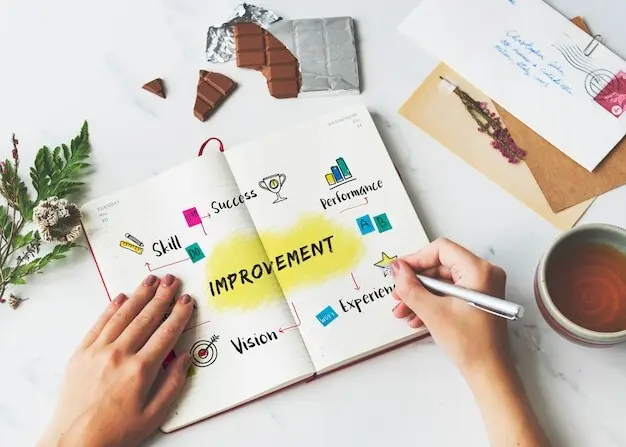
Not every small task deserves a showcase. Choose ideas that expose your strengths under real-world constraints, echo the roles you want, and can be finished in days, not months. A crisp brief, a measurable outcome, and a meaningful constraint create depth without bloat, ensuring each piece teaches something new and earns its place in your growing collection.

Five-Day Sprint Rhythm

Monday frames the brief and constraints. Tuesday validates scope and sketches options. Wednesday builds the core. Thursday polishes and tests. Friday ships and reflects. This steady cadence keeps complexity in check while ensuring learning cycles stay tight. It also simplifies planning around life’s surprises, helping you recover momentum quickly without abandoning the overall commitment to weekly delivery.

Guardrails for Focused Time

Treat two blocks per week as non-negotiable deep work. Silence notifications, prepare assets beforehand, and write a micro-agenda for each session. Keep a parking lot of ideas to prevent derailment. When interruptions happen, resume using a visible timer and checklist. These humble guardrails defend your creative attention, translating limited hours into notably higher-quality, consistently finished artifacts.

Showcase with Clarity and Heart

Presentation multiplies the value of your work. Explain who benefited, what problem you tackled, and why choices made sense under the constraints. Pair crisp visuals with thoughtful captions and short decision notes. Visitors should understand outcomes in seconds yet discover rich reasoning on demand, feeling both your craft and your care through structured storytelling that respects their limited time.
Lead with the human situation, not the tools: who struggled, what friction appeared, and what success looked like after your intervention. Keep sentences active, avoid jargon, and foreground trade-offs. Close with a reflective note about what you’d do next with more time or data. This narrative focus turns quick projects into memorable, empathetic demonstrations of practical problem-solving.
Use lightweight mockups, annotated screenshots, or brief clips that reveal change over time. Label intent directly on the image, highlight constraints, and show a before/after whenever possible. Avoid decorative noise. Curate two to four assets that teach a clear lesson. When visuals explain decisions, viewers connect dots faster, leading to deeper questions, stronger conversations, and better-fit opportunities.

Raise Quality Without Burning Out

Set a 'Good Enough' Bar

Specify non-negotiables—accessibility basics, clear typography, and one measured improvement—then stop. Park nice-to-haves for a future iteration list. This approach preserves shipping speed while maintaining credibility. Knowing exactly when to call it done reduces stress, avoids endless tinkering, and channels perfectionism into a sharp review pass instead of an open-ended spiral that quietly consumes your Friday.

Leverage Templates and Checklists

Create repeatable scaffolding: a case-note outline, asset folders, thumbnail styles, and a publication checklist. When routine steps vanish, attention shifts to novel decisions. Templates also raise consistency across projects, making your portfolio feel cohesive without extra effort. Over time, these small operational gains yield dramatically smoother weeks, kinder deadlines, and more brainspace for original, thoughtful choices.

Recovery, Reflection, and Adjustments

After shipping, protect a brief cooldown. Write one learning, one risk to address, and one experiment for next week. Track energy alongside outcomes to spot patterns early. Sustainable pacing makes consistency possible, which in turn makes mastery inevitable. Treat yourself like an athlete: performance improves between sessions when rest, review, and tiny strategic tweaks receive intentional attention.

Community, Feedback, and Reach

Find Early Eyes

Assemble a small, trusted crew for pre-ship reviews. Give them a three-question prompt to elicit actionable responses. Rotate roles—one tests usability, one challenges scope, one checks clarity. Offer reciprocity. Tight feedback loops build confidence, catch weak spots before publishing, and transform weekly delivery into an energizing collaboration that lifts everyone’s standard while keeping timelines realistic.

Share Without Shouting

Post concise summaries where your audience already gathers, attach one meaningful visual, and link to a deeper write-up. Spotlight lessons learned rather than self-congratulation. Ask one specific question to invite replies. Consistent, respectful sharing builds reputation slowly and sturdily, turning casual viewers into subscribers who anticipate Fridays and feel personally invested in your continuing, transparent journey.

Turn Feedback into Next Steps

Tag each suggestion as fix-now, explore-later, or out-of-scope. Convert the first category into actionable tasks for the next cycle. Publicly note what you adopted and why. This visible learning loop signals maturity, reassures potential partners, and keeps momentum alive by translating conversation into improvement, week after week, without bloating scope or derailing the crucial shipping rhythm.
Pexirinoxaridavosiralivo
Privacy Overview

This website uses cookies so that we can provide you with the best user experience possible. Cookie information is stored in your browser and performs functions such as recognising you when you return to our website and helping our team to understand which sections of the website you find most interesting and useful.